A grinder that won't grind is almost always one fixable cause: an empty chamber, a too-fine setting, damp clumping, or a sealed unit. Match symptom to fix.
If the top spins but nothing lands on your food, the cause is almost always one of four things — and you can tell them apart in about thirty seconds.
This is the fast fix for a mill that turns but won’t grind. For any other symptom — only dust, only chunks, or a top that won’t turn — jump to the full troubleshooting map.
Quick diagnostic
| What you notice | Most likely cause | Fix |
|---|---|---|
| Turns freely, nothing comes out | Empty chamber | Refill to four-fifths |
| Turns hard, nothing comes out | Set too fine — rotor pinched | Loosen the nut half a turn |
| Grinds in clumps or seized | Damp seasoning cemented the core | Dry it, run rice through |
| Top won’t turn or unscrew at all | Sealed disposable or salt-stuck nut | Check for a thread; swap if none |
The two most common cases
Empty is the number-one cause. A mill that turns with no resistance and drops nothing has simply run out. A windowed mill tells you at a glance; otherwise open the top and look. Then follow the refill routine.
Too-fine is the number-two cause. Screwed fully down, the rotor can clamp shut. Turn the nut counter-clockwise half a turn to open the gap — see the coarseness guide. This is the fix most people miss.
If it’s salt, suspect moisture
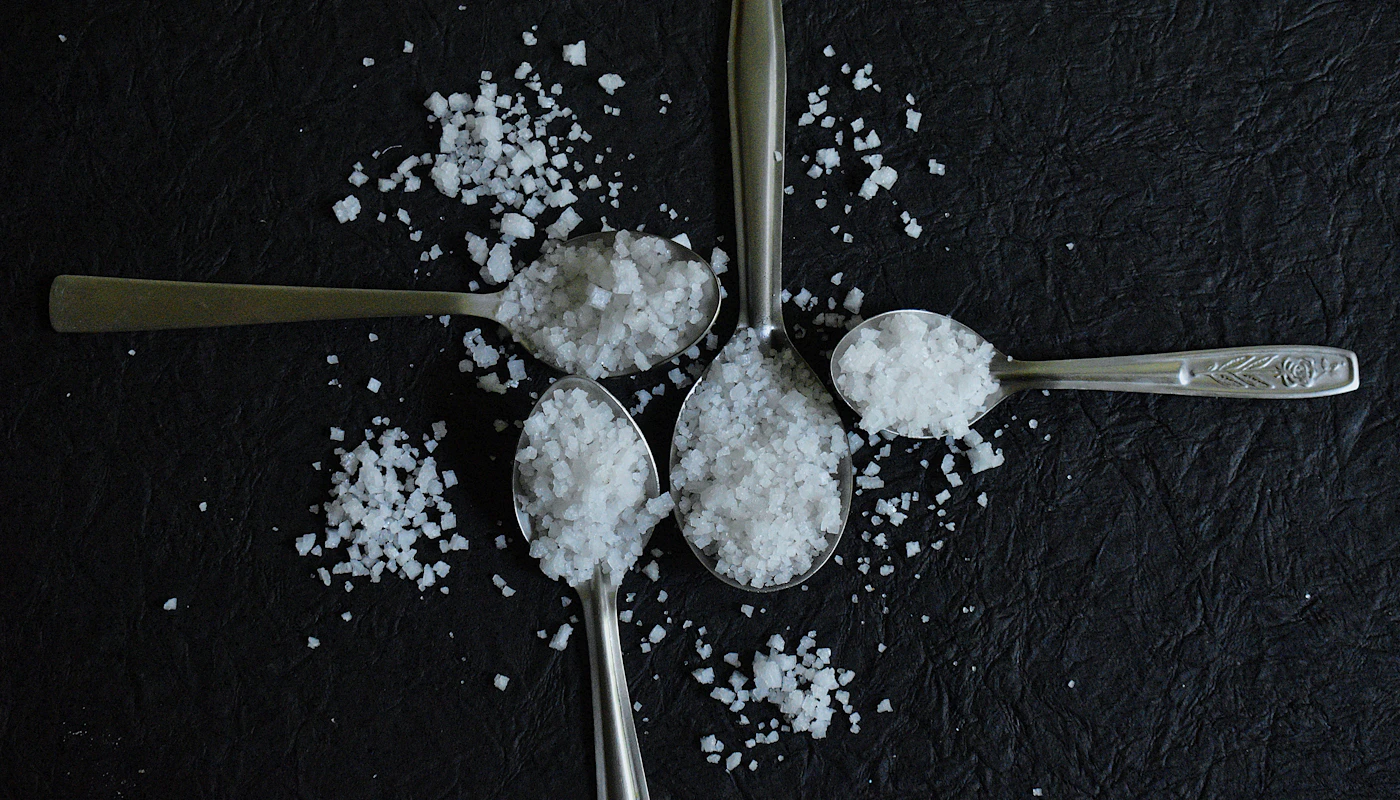
Salt grinders seize when damp salt clumps around the mechanism. Empty the mill, let it dry overnight, and grind dry white rice through to clear it — the full routine is under salt grinder stuck. Prevent a repeat by keeping the mill away from steam and filling only dry, coarse salt (our what-to-put-in-a-salt-grinder guide covers it).
If nothing works
A mill that’s full, correctly set, and clean but still only produces dust has a worn core — a cheap-steel failure ceramic mills avoid. At that point it’s time for a replacement from our manual grinder picks.
Frequently asked questions
It is either empty or set too fine. Check the chamber first; if there is seasoning in it, loosen the top nut half a turn to open the grinding gap.
Moisture. Damp salt clumps and cements around the mechanism. Empty it, let it dry, and grind a spoonful of dry white rice through to clear the core.
Counter-clockwise loosens it for a coarser grind and opens the gap so pepper or salt can pass. Clockwise tightens toward fine — too far and it can pinch shut.
If it is full, correctly adjusted, and clean but still only makes dust, yes — the burr has dulled. This happens to soft-steel cores; ceramic ones rarely wear out.
Ready to upgrade your grinder?
Compare Haomacro sets and find your fit.