The salts that grind cleanly — coarse sea salt, Himalayan, and kosher — plus the fine and damp ones that jam a mill, and why the core must be ceramic.
A salt grinder is only as good as what you fill it with. The mill doesn’t care about brand — it cares about crystal size and dryness. Get those two right and any decent ceramic mill grinds cleanly for years. Here’s every salt worth grinding, the ones that jam a mill, and the grind size to aim for.
The salts that grind well
Hard, dry crystals in roughly the 1–4 mm range are the sweet spot:
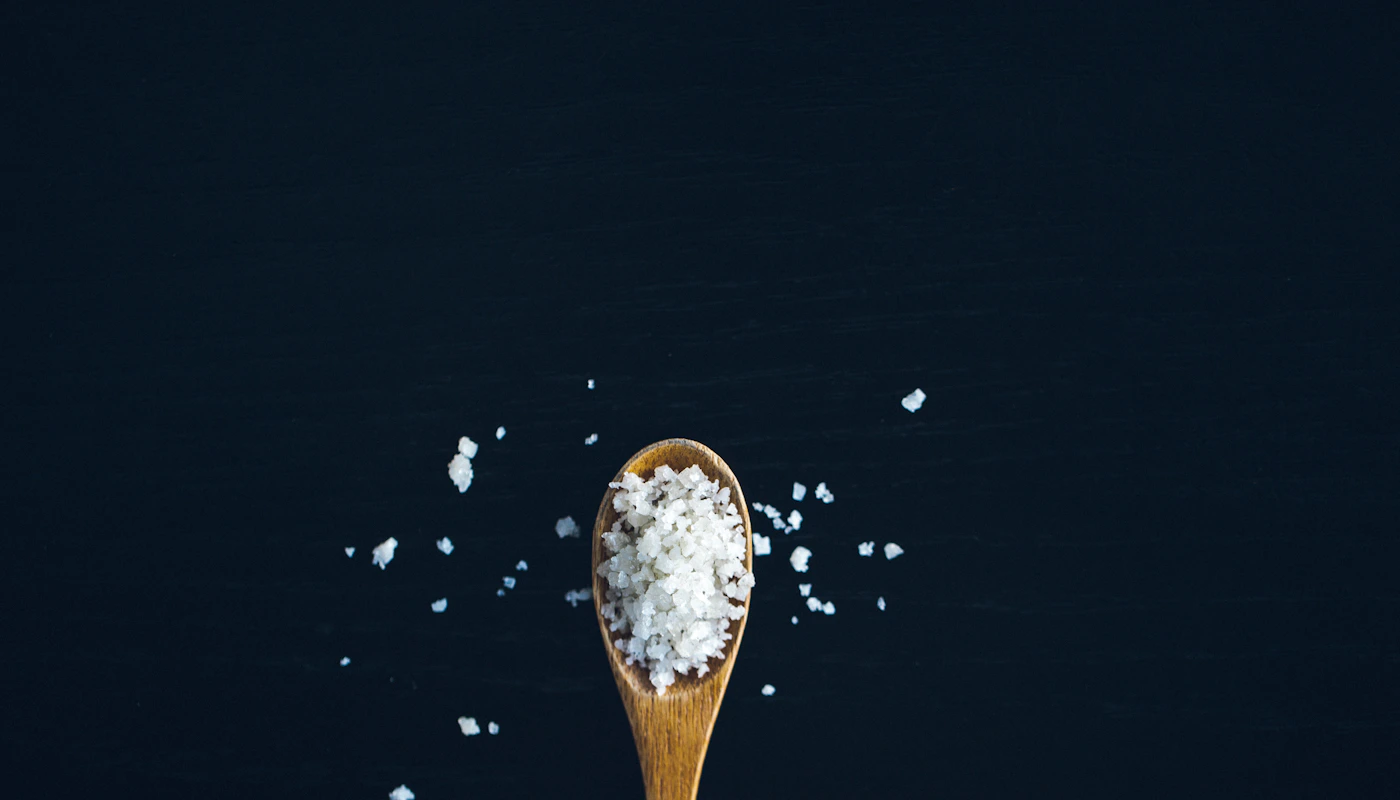
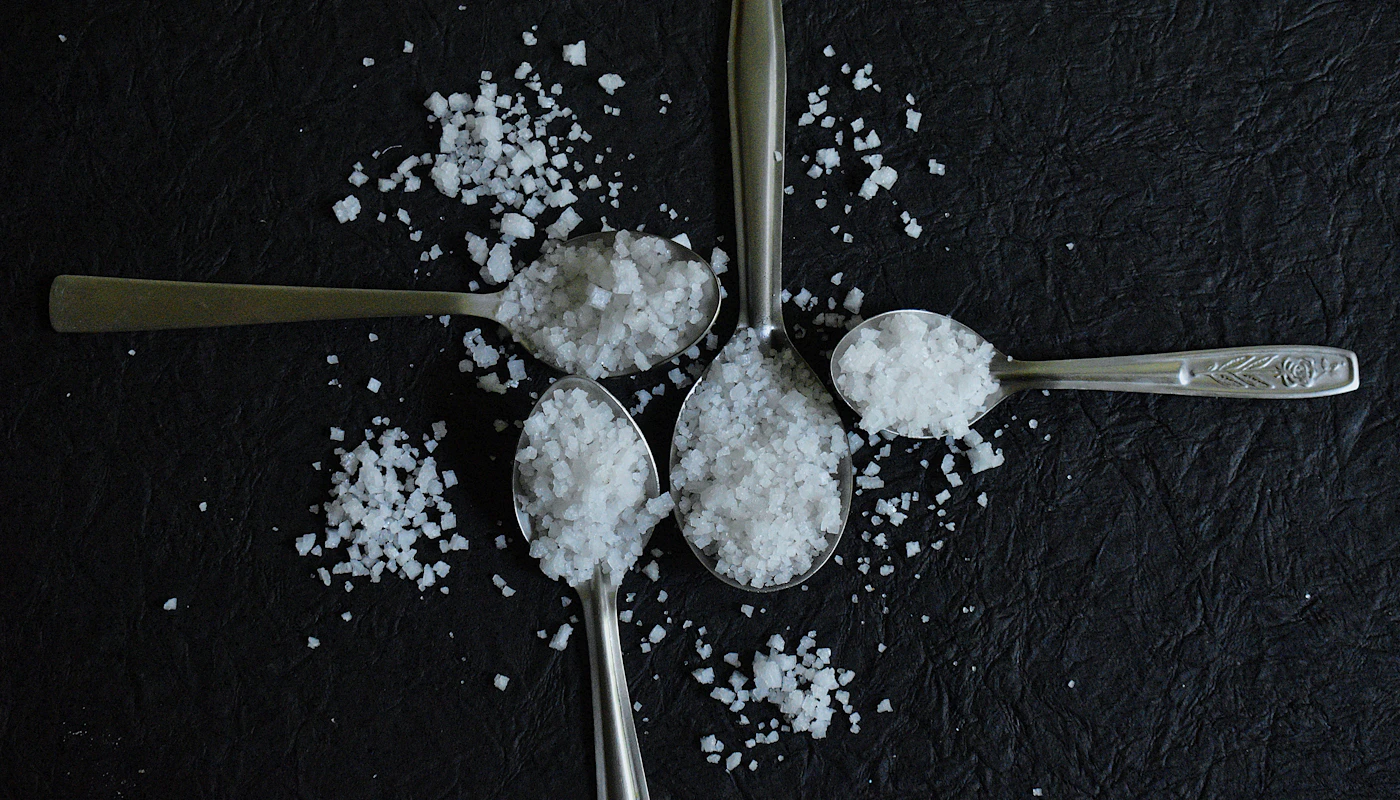
- Coarse sea salt — the default. Cheap, dry, evenly sized, and it grinds beautifully.
- Himalayan pink rock salt — hard and good-looking; details in grinding Himalayan pink salt.
- Kosher salt — fine if the flakes are coarse rather than powdery.
- Rock salt / dry sel gris — works as long as it hasn’t drawn damp.
The salts to avoid
- Fine table salt — the crystals pour straight through without grinding, and it’s usually iodized with anti-caking agents that draw moisture and clog the mill.
- Flaky finishing salt (fleur de sel, Maldon) — too soft and too precious to grind; pinch it over the plate by hand.
- Anything damp — moisture cements crystals around the mechanism.
The boundary cases — sea salt flakes, Celtic grey, coarse kosher — are covered in can you put sea salt in a grinder and what to put in a salt grinder.
Salt types at a glance
| Salt | Crystal size | Grinds well? | Why |
|---|---|---|---|
| Coarse sea salt | 1–3 mm, dry | Yes | The reliable default |
| Himalayan pink (rock) | 2–4 mm, hard | Yes | Great crystals — keep them dry |
| Coarse kosher | 1–2 mm flakes | Usually | Only if chunky, not powdery |
| Rock salt / sel gris | 2–5 mm | If dry | Sel gris draws damp — dry it first |
| Fine table salt | under 0.5 mm | No | Pours through; often anti-caked |
| Fleur de sel / Maldon | soft flakes | No | Finish by hand instead |
How coarse should it be?
Most mills grind from a fine dust to a coarse crack. For everyday cooking, a medium setting on 1–3 mm sea salt gives an even, quick-dissolving grain; go coarser to finish a steak, finer for baking. If the grind comes out uneven or the mill slips, the salt is usually too small or slightly damp — not the mill. Dialling it in is covered in how to adjust grinder coarseness.
What about electric and branded “salt mills”?
The rule doesn’t change: an electric mill or a branded salt mill still needs a ceramic mechanism and coarse, dry salt. Coarse sea salt or Himalayan works in a Peugeot, Cole & Mason, or any ceramic salt mill. Electric grinders are actually fussier about damp salt — a stalled motor won’t force through a clump the way your wrist will — so keep the crystals dry and store the mill away from the stovetop steam.
Why the mechanism has to be ceramic
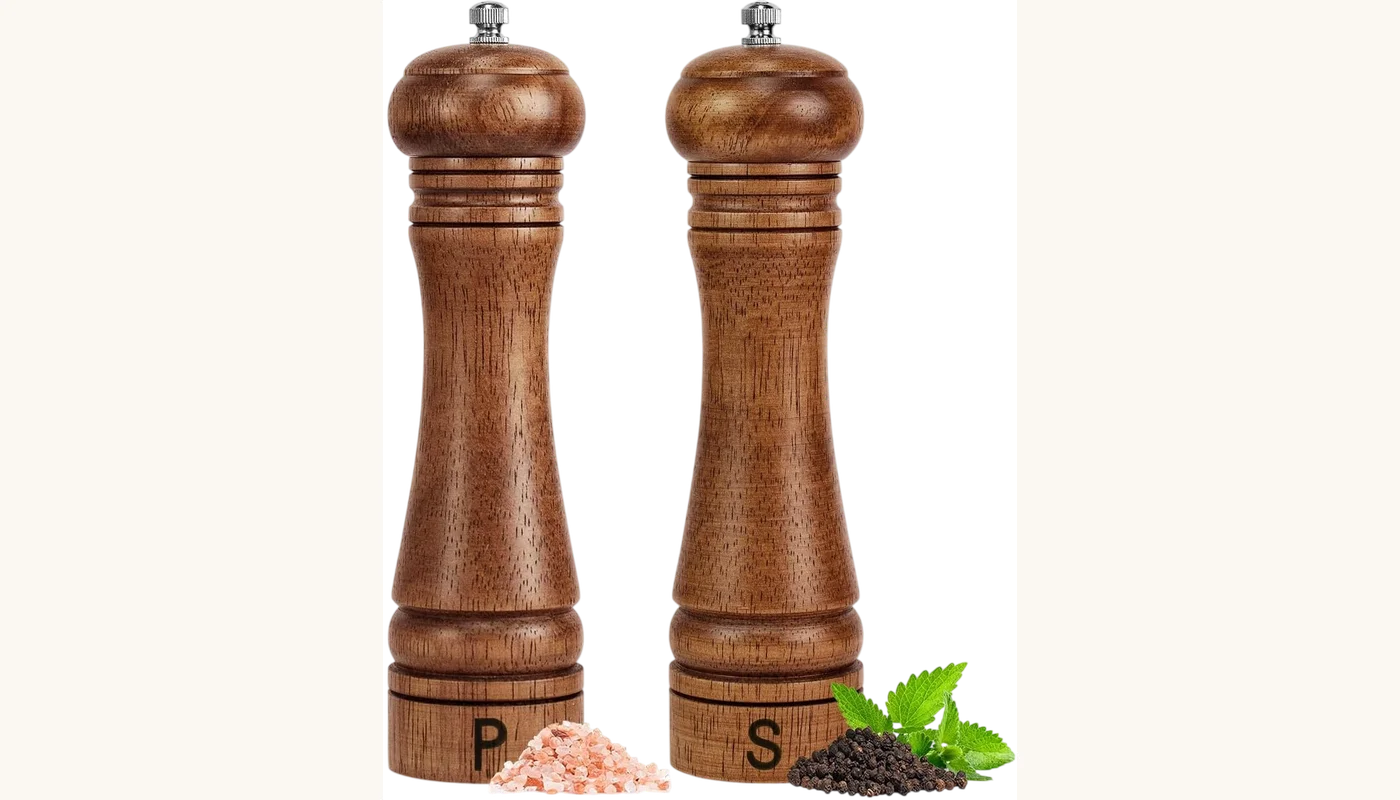
Salt corrodes steel. A steel burr will rust and seize on a salt diet, which is why every salt mill worth owning — including our picks — uses a ceramic core. The full comparison is in ceramic vs stainless steel. A windowed set like the Haomacro classic lets you see at a glance when the salt is running low, and topping it up is a two-minute job.
Check prices on branded salt mills: Peugeot · Cole & Mason
Frequently asked questions
Coarse, dry crystals — sea salt, Himalayan pink rock salt, or chunky kosher salt. Anything around 1–4 mm grinds cleanly. Avoid fine table salt, which pours through, and any damp salt, which clumps.
Roughly 1–4 mm. Below about half a millimetre the crystals pour through the mill without grinding; much above 4 mm they can jam the throat. Coarse sea salt sits right in the sweet spot.
Both grind well. Coarse sea salt is cheaper and very uniform; Himalayan pink is harder and looks striking in a windowed mill. Keep either one dry and either is an excellent choice.
The same coarse, dry sea salt or Himalayan rock salt, in a ceramic mechanism. Electric mills are less tolerant of damp salt than a manual one, so dryness matters even more.
Not really. Table salt crystals are too small to grind and usually carry anti-caking agents and iodine that attract moisture and clog the mechanism. Use a coarse salt instead.
Only if the core is steel — salt rusts steel burrs. A ceramic mechanism is immune, which is why salt mills use ceramic.
Ready to upgrade your grinder?
Compare Haomacro sets and find your fit.