Himalayan pink salt is one of the best grinder salts — if the crystals are dry and the core is ceramic. The right coarseness, and the one thing that jams it.
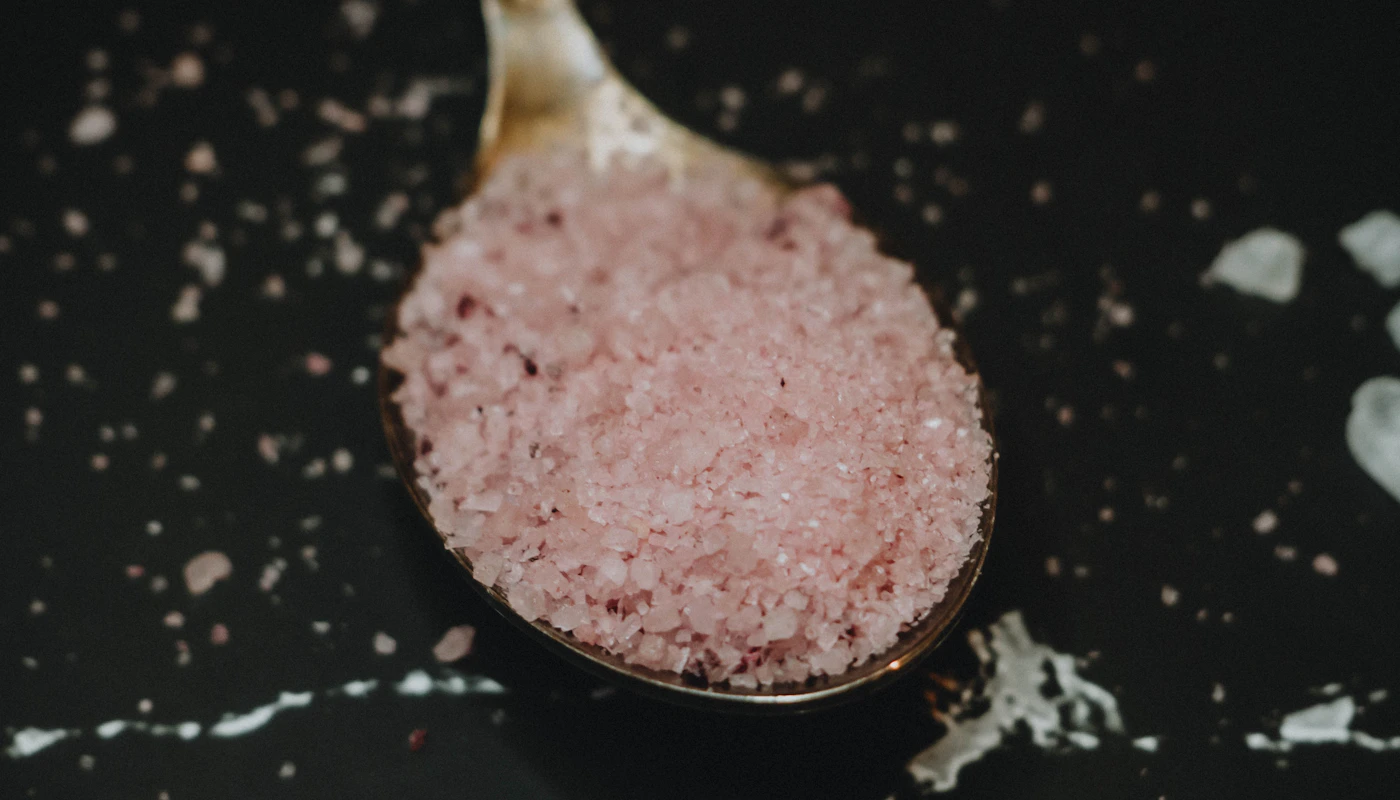
Himalayan pink salt is one of the best salts you can put in a grinder. It comes as hard, dry crystals — exactly what a ceramic core is built to crush — and the rosy color looks striking through an acrylic window.
Why it grinds so well
Pink salt is mined as solid rock crystal, so it arrives dry and hard with no added moisture. That’s the whole recipe for a happy grinder: dry, coarse, and crystalline. It feeds the mechanism cleanly and won’t clump the way damp finishing salts do (the full do’s and don’ts are in our what-to-put-in-a-salt-grinder guide).
The one requirement: ceramic
As with any salt, pink salt is safe only in a ceramic-core mill — salt corrodes steel burrs over time. Every set in our wooden ranking uses ceramic, so pink salt is fair game. The Haomacro classic shows the color off nicely through its window.
Coarseness and use
Pink salt shines at a medium-coarse grind for finishing — over a fried egg, a steak, roasted vegetables — where the crunch and color both register. Set it once at medium-fine for cooking and coarser for finishing; the coarseness guide shows how. Keep it dry and away from the stove’s steam and it will run for years.
Frequently asked questions
In any ceramic-core grinder, yes — it is dry, hard crystal salt that grinds cleanly. Avoid steel-burr mills, since salt corrodes steel regardless of the type.
No. It is no harder on a ceramic core than sea salt, and ceramic outlasts salt crystals by years. The realistic enemy is moisture, not the salt itself.
Medium-coarse for finishing, where the crunch and color show; medium-fine for cooking. Adjust with the top nut — counter-clockwise for coarser.
Ready to upgrade your grinder?
Compare Haomacro sets and find your fit.